

IAEA At Doha Climate Change Conference
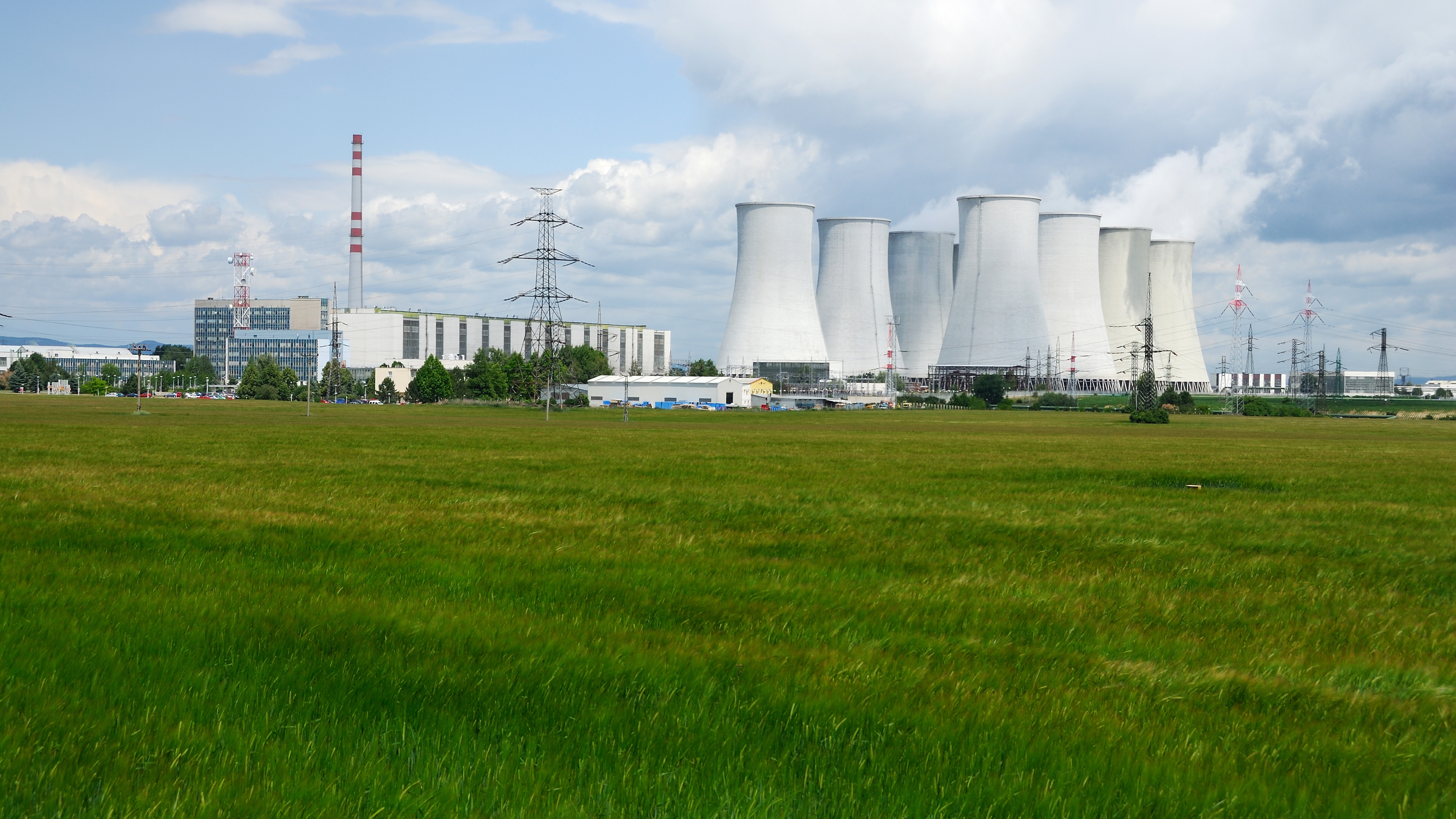
Nuclear power is one of the energy sources available today that helps satisfy swiftly rising energy demand, with low levels of greenhouse gas emissions, similar to hydropower and wind power. According to the reports of the Intergovernmental Panel on Climate Change, nuclear power's use in the electricity sector has the greatest potential to reduce emissions at the lowest cost.
- Story Resources
- Video: Climate Change and Nuclear Power
- Doha 2012: UN Climate Change Conference, COP-18, 26 November-7 December 2012
- IAEA Energy Planning Support to Member States Presented to Doha Climate Conference, 6 December 2012
- Climate Change and Nuclear Power 2012, November 2012
- UN Framework Convention on Climate Change
- Kyoto Protocol
- Intergovernmental Panel on Climate Change (IPCC)
- In Focus: Addressing Climate Change
-
Story Resources
In Doha, Qatar, over 17 000 delegates from 194 countries that are party to the United Nations Framework Convention on Climate Change are meeting at their annual Conference of the Parties, or COP, to assess progress in mitigating and adapting to climate change. The IAEA is also present at this "COP-18", which also serves as the meeting of the Parties to the Kyoto Protocol.
An updated issue of the IAEA's report on Climate Change and Nuclear Power 2012 was launched at COP-18.
Alan McDonald, an energy expert at the IAEA, explains in this video the highlights of that report. He also provides an overview of the IAEA's activities at COP-18, the expected outcomes from the Conference, and the future of nuclear power.
-- By Peter Kaiser, IAEA Division of Public Information
(Note to Media: We encourage you to republish these stories and kindly request attribution to the IAEA)

